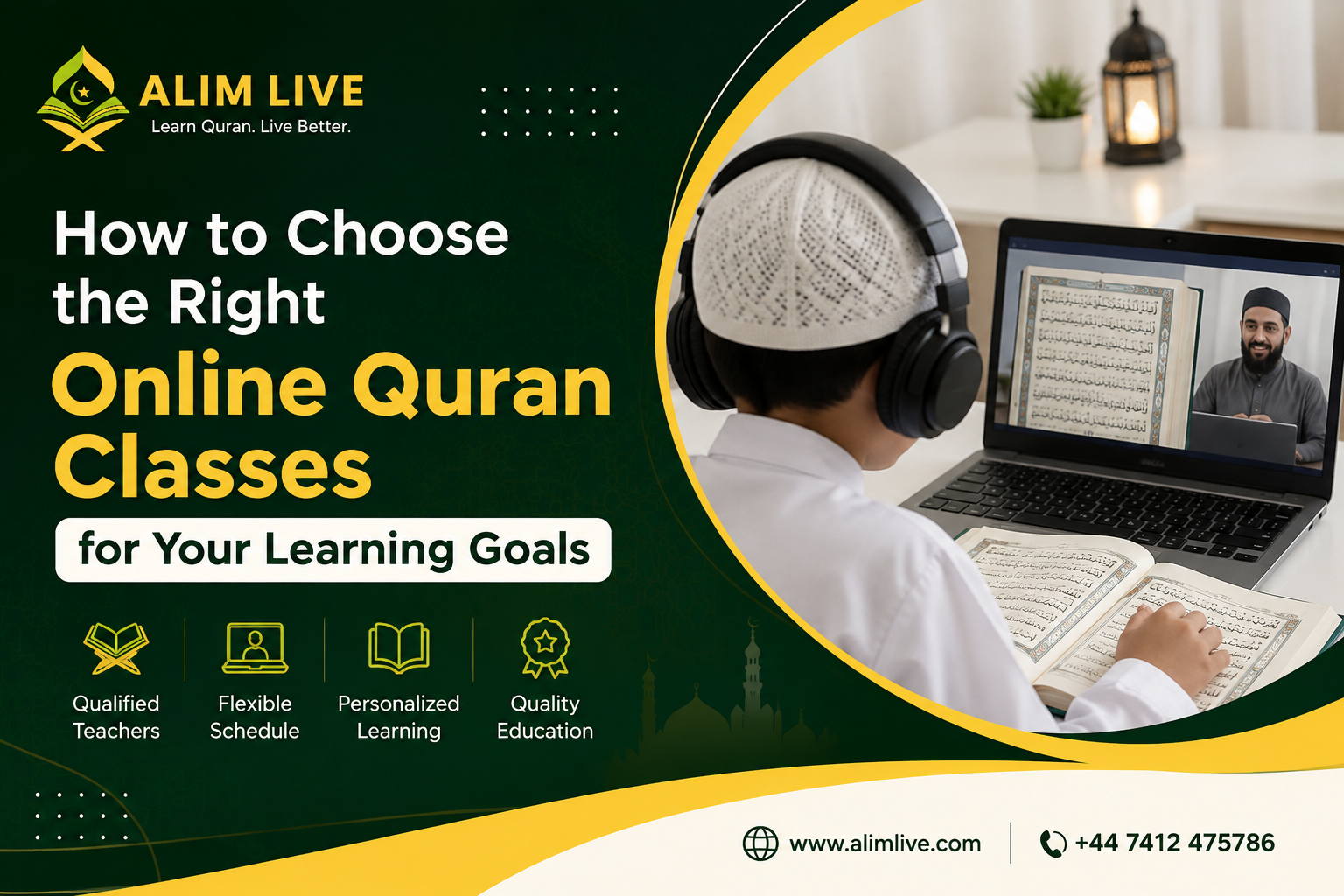
Many parents in the UK want their children to learn the Quran, but one common question comes up: what is the best age to start?
Some parents introduce the Quran during the toddler years, while others wait until their children can sit, listen and follow instructions more easily. Both approaches can work, as every child develops at a different pace.
The best age to start learning the Quran depends on your child’s interest, attention span, readiness and learning needs. Young children can begin by listening to Quran recitation and learning simple duas. As they grow, they can move on to Arabic letters, Quran reading, pronunciation and Tajweed.
In this guide, we will explain when children can begin learning the Quran, what they can learn at different ages and how parents can make the experience positive and enjoyable.
What Is the Best Age to Start Learning the Quran?
There is no single perfect age for every child. Many children can begin gentle Quran exposure between the ages of 3 and 5, while structured reading lessons may become more suitable around ages 4 to 7, depending on their development and readiness.
The important thing is to start with simple, age-appropriate activities rather than expecting a young child to read fluently straight away.
Here is a general guide for parents:
- Ages 2–4: Listening to recitation, hearing short surahs and becoming familiar with simple duas.
- Ages 4–6: Exploring Arabic letters, recognising sounds and beginning Noorani Qaida where appropriate.
- Ages 6–9: Developing Quran reading skills, improving pronunciation and learning introductory Tajweed.
- Ages 9 and above: Building reading fluency, improving recitation and working towards memorisation if the child is interested.
These are general guidelines, not strict rules. Some children may be ready earlier, while others benefit from taking more time.
Why Is Early Quran Learning Important?
Introducing the Quran early can help children become familiar with its recitation, language and teachings. It can also give families an opportunity to build a regular learning routine.
The goal is not to rush children through lessons. It is to help them develop a positive relationship with Quran learning.
1. Builds Familiarity with the Quran
Children who regularly hear Quran recitation can gradually become familiar with its sounds and rhythm. Listening together at home can be a simple way to introduce the Quran before formal reading lessons begin.
2. Encourages Good Learning Habits
Short, regular learning sessions can help children become comfortable with practice and repetition. These habits can support their progress as they move towards reading and recitation.
3. Supports Language and Listening Skills
Learning Arabic letters and their sounds gives children an introduction to the Arabic script. Repeating sounds, listening carefully and practising pronunciation can support their learning process.
4. Helps Build a Connection with Islamic Teachings
Parents can introduce age-appropriate stories about the Prophets, simple duas and lessons about kindness, honesty and respect. These activities can help children understand the values associated with their faith.
5. Creates Opportunities for Family Learning
Parents can listen to recitation with their children, practise simple duas together and celebrate small achievements. Even a few minutes of shared learning can become a meaningful family routine.
How Can You Tell If Your Child Is Ready to Learn the Quran?
Age is only one part of the decision. Your child’s interest and ability to engage with a lesson are also important.
Look for these signs:
- Your child enjoys listening to Quran recitation or Islamic stories.
- They show curiosity about Arabic letters and words.
- They can focus on a short activity with suitable breaks.
- They enjoy repeating sounds, words or short passages.
- They respond well to gentle guidance and encouragement.
- They show interest in learning something new.
Your child does not need to demonstrate every sign before starting. A supportive teacher can adjust the lesson to suit their current abilities.
If your child struggles to sit still for long periods, try shorter sessions with simple activities. Learning should feel encouraging, not like a punishment.
What Should Children Learn at Different Ages?
A suitable learning plan depends on your child’s age, current reading ability and previous experience.
Quran Learning for Children Aged 2–4
At this stage, focus on familiarity and enjoyment.
Parents can:
- Play suitable Quran recitations during calm moments.
- Introduce short duas in everyday situations.
- Read simple Islamic stories together.
- Encourage listening without demanding memorisation.
- Keep activities short and relaxed.
Formal reading lessons may not be suitable for every child at this age. Follow your child’s interest and comfort level.
Quran Learning for Children Aged 4–6
Many children begin exploring Arabic classes and sounds during these years.
A beginner learning plan may include:
- Recognising Arabic letters.
- Learning the sounds associated with letters.
- Practising through Noorani Qaida or a suitable beginner method.
- Listening to short surahs.
- Building confidence through repetition and encouragement.
The pace should reflect the child’s progress rather than a fixed deadline.
Quran Learning for Children Aged 6–9
Children who are ready for more structured lessons can work towards reading the Quran with guidance.
Their learning may include:
- Improving Arabic letter recognition.
- Joining letters and reading words.
- Practising correct pronunciation.
- Beginning age-appropriate Tajweed lessons.
- Reading short surahs with support.
- Reviewing previous lessons regularly.
At this stage, a teacher can identify mistakes and help the child correct them before they become habits.
Quran Learning for Children Aged 9 and Above
Older beginners can still start learning the Quran successfully. They may be ready for more structured goals, depending on their existing skills.
Lessons can focus on:
- Building reading fluency.
- Improving pronunciation and recitation.
- Learning Tajweed rules.
- Revising previously learned material.
- Exploring Quran memorisation if the child wishes to pursue Hifz.
Starting later does not mean a child has missed their opportunity. A suitable teaching method and consistent practice can make a real difference.
How Can Parents Make Quran Learning Enjoyable?
Children are more likely to stay engaged when lessons suit their interests and abilities. Parents can support learning with a few simple habits.
Keep Lessons Short and Consistent
A short session that your child can manage is often more useful than a long lesson that leaves them tired. Build a routine that fits around school, homework, play and family time.
Use Encouragement Instead of Pressure
Praise effort, patience and progress. Avoid comparing your child with siblings or other children, as every learner develops at a different pace.
Practise Together at Home
Listen to recitation, revise familiar letters or repeat a short passage together. Regular practice between lessons can help reinforce what your child learns.
Choose a Suitable Teacher
A teacher working with children should be patient, supportive and able to explain concepts clearly. For online learning, ask how lessons are adapted to different ages and ability levels.
Make Time for Questions
Allow children to ask questions and take breaks when needed. A positive learning environment helps them feel comfortable making mistakes and trying again.
Are Online Quran Classes Suitable for Children in the UK?
Online Quran classes can be a convenient option for UK families who want structured lessons without travelling to a learning centre.
Depending on the provider, children may be able to learn from home with individual guidance, flexible scheduling and lessons suited to their current level.
Before choosing an online Quran academy, parents should check:
- Teacher experience: Ask about qualifications and experience teaching children.
- Lesson structure: Understand what the child will learn and how progress is reviewed.
- Class format: Check whether lessons are one-to-one or in a group.
- Timings: Choose sessions that fit around school and family commitments.
- Parent communication: Ask how teachers share feedback and learning goals.
- Trial options: If available, use a trial lesson to see whether the teaching style suits your child.
For families considering structured online learning, Alim Live offers a way to explore Quran lessons for children and beginners.
Want to see whether online Quran lessons suit your child? Visit Alim Live to learn more about the available classes and enquire about a suitable starting point.
Common Mistakes to Avoid When Starting Quran Lessons
Parents can make the learning experience more positive by avoiding a few common mistakes.
Starting with lessons that are too difficult: A child who is still learning Arabic letters may need a beginner programme before moving to Quran reading.
Expecting quick results: Reading fluently and improving pronunciation takes practice. Set realistic goals based on your child’s progress.
Comparing children: A sibling or friend may progress faster in one area and need more time in another. Focus on individual improvement.
Ignoring revision: Children benefit from revisiting previously learned letters, words and passages.
Making lessons too long: Tiredness and frustration can make it harder to concentrate. Adjust lesson length and include breaks when needed.
Choosing a class without checking the teaching approach: A class should match the child’s ability and learning needs, rather than relying only on its advertised age range.
Give Your Child a Positive Start with Quran Learning
The best age to start learning the Quran is the age at which your child can begin engaging with it in a suitable and supportive way. Early exposure can introduce the Quran naturally, while structured lessons can help children develop reading and recitation skills as they grow.
Whether your child is just beginning to recognise Arabic letters or is ready to improve their Quran reading, a patient teacher and a consistent routine can help them make progress.
Explore Alim Live to learn more about online Quran classes for children and beginners. You can enquire about suitable lessons and take the next step towards building a positive Quran learning routine for your family.